Maintenance and lifecycle cost
What a pool costs over thirty years or more, and how the construction method influences maintenance, closures and renovation.
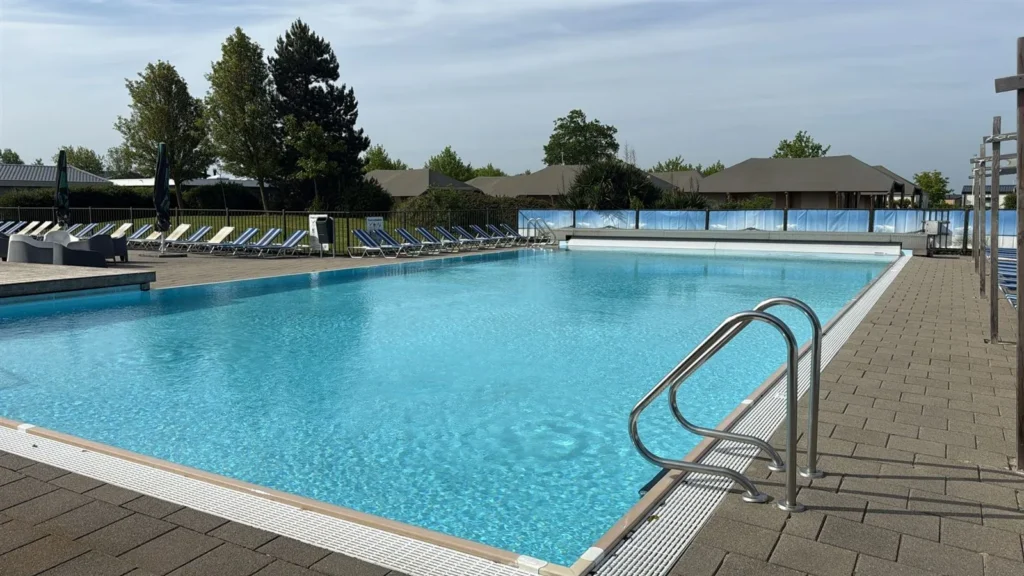
What determines lifecycle cost
Over thirty to fifty years, the price of building a pool is only part of its cost. Closures for repairs, recurring maintenance and the eventual renovation weigh at least as heavily. The construction method influences how often work is needed, how invasive it is and how long the pool is closed.
Structure and waterproofing are separate
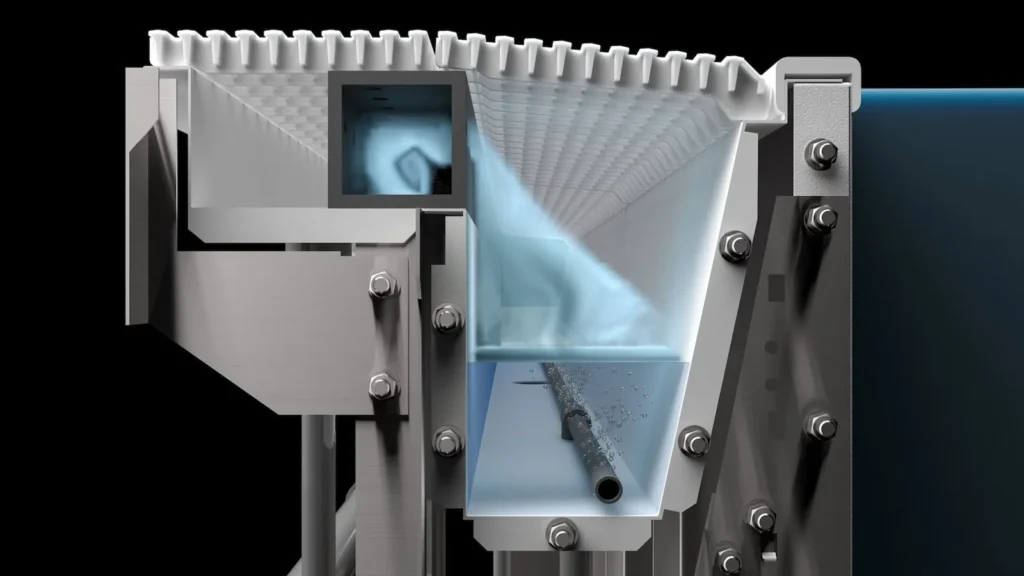
In a Myrtha pool the load-bearing structure is stainless steel. The waterproofing is a separate PVC layer: laminated onto the wall panels and a reinforced membrane on the floor. The floor slab is not part of the waterproofing. Because the two functions are separate, the waterproofing can be repaired or renewed without touching the structure. All joints are accessible and the structure can be inspected visually.
In a concrete pool, the concrete provides the structure and, together with render and tiles, the waterproofing. A leak or a crack therefore often means breaking out tiles or concrete before the cause is found.
The PVC layer: service life and replacement
The PVC layer is the part that wears. Myrtha gives 10 years’ warranty on the PVC laminate; the independent UK study expected a membrane to last around 20 years on average, depending on use and water chemistry. At the end of its life the layer is replaced, not the pool. That work can be planned, and it requires no demolition.
Maintenance of a tiled concrete pool
In a tiled concrete pool, grout and tiles are the weak points. The UK study mentions regrouting and tile replacement at intervals of about 15 years; repairs for cracks, settlement or leaks come on top of that. The concrete structure itself has a proven service life of 60 years or more when it is well designed and built.
What the evidence says
Myrtha refers to a comparison in Perth, Australia: a Myrtha pool built in 1996 needed no maintenance until 2003, while the tiled concrete 50-metre pools at the same site needed all their tiles replaced after nine years.
The independent UK study by GT3 Architects, Engenuiti and CJ Consilium is more cautious: the owners it spoke to saw no significant difference in maintenance between the two types. Both findings can be true. Daily maintenance, such as cleaning, water treatment, filters and pumps, is similar for any pool. The difference lies in the large, periodic interventions and how disruptive they are.
Warranty
Myrtha gives 25 years’ warranty on the stainless steel structure and 10 years on the PVC laminate. Warranties on concrete pools are usually shorter and spread over several contractors for structure, waterproofing and tiling. The exact terms for your project are set out in our offer.
Service and maintenance by EWAC Pools
We remain your point of contact after handover: inspections, maintenance, repairs and, in due course, replacement of the PVC layer. Because we built the pool, we know how it is put together. We also maintain existing Myrtha pools in the BeNeLux.
Products
Related products
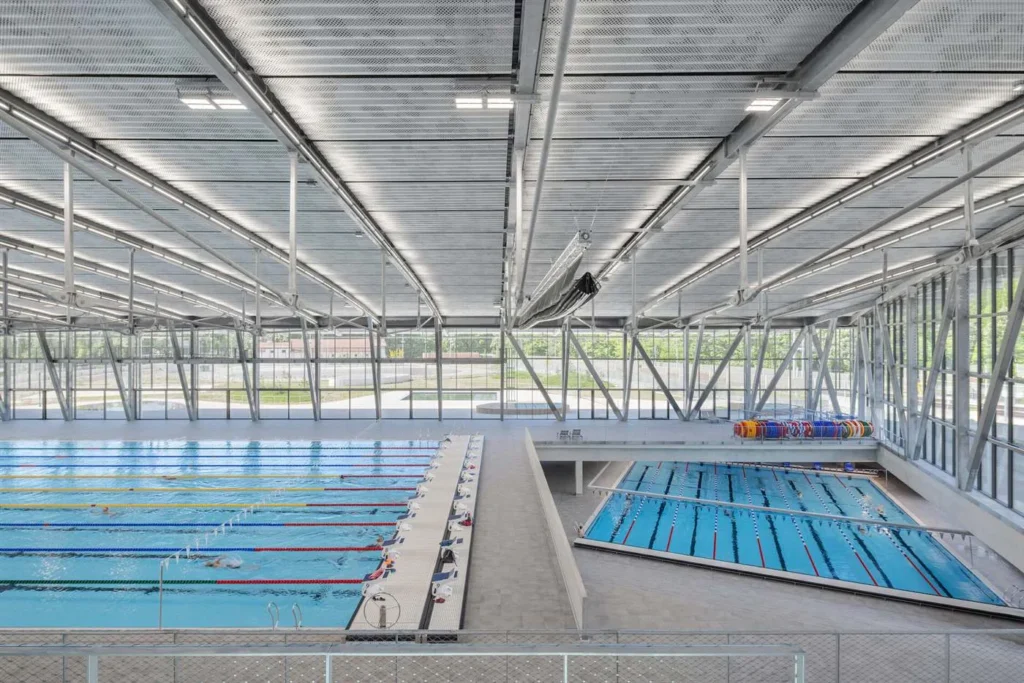
New Pool Construction
Myrtha Technology for new pools: PVC-laminated stainless steel panels on a bolted structure, with integrated waterproofing and a wide choice of finishes.
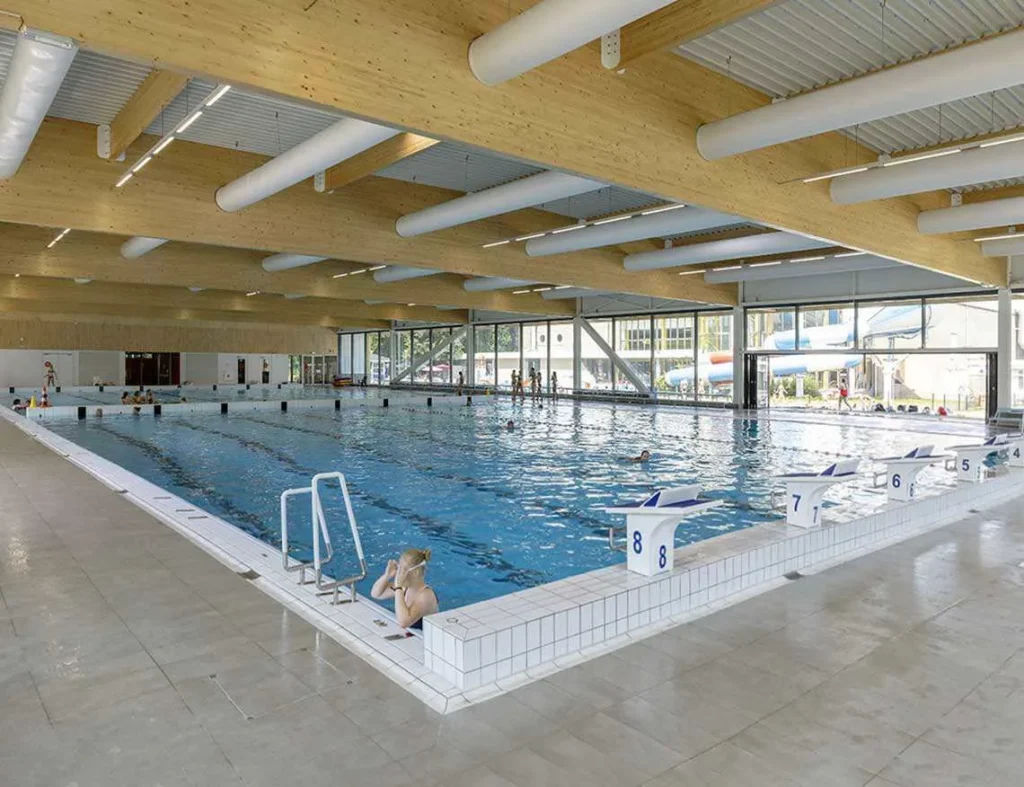
Pool Renovation
Renovate an ageing public or sports pool within the existing shell. Stainless steel with Myrtha RenovAction: limited demolition, shorter closure.
Knowledge
Read more
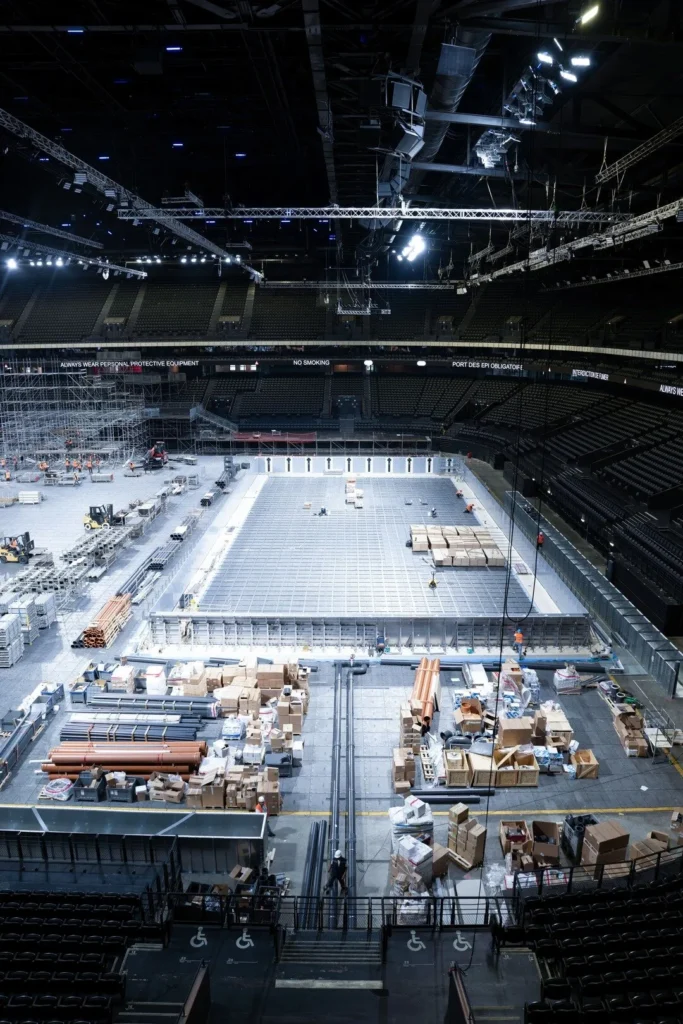
Stainless steel or concrete?
A factual comparison of stainless steel and concrete pools: build time, construction cost, lifecycle, weight, sustainability and total cost.
Ventilation and air quality
How chloramines form, what they mean for the health of staff and swimmers and for the lifetime of the pool building, and which measures help.
Sustainability
Embodied carbon, transport, renovation instead of demolition, recycling and certification: what a stainless steel pool contributes to sustainability, and what it does not.